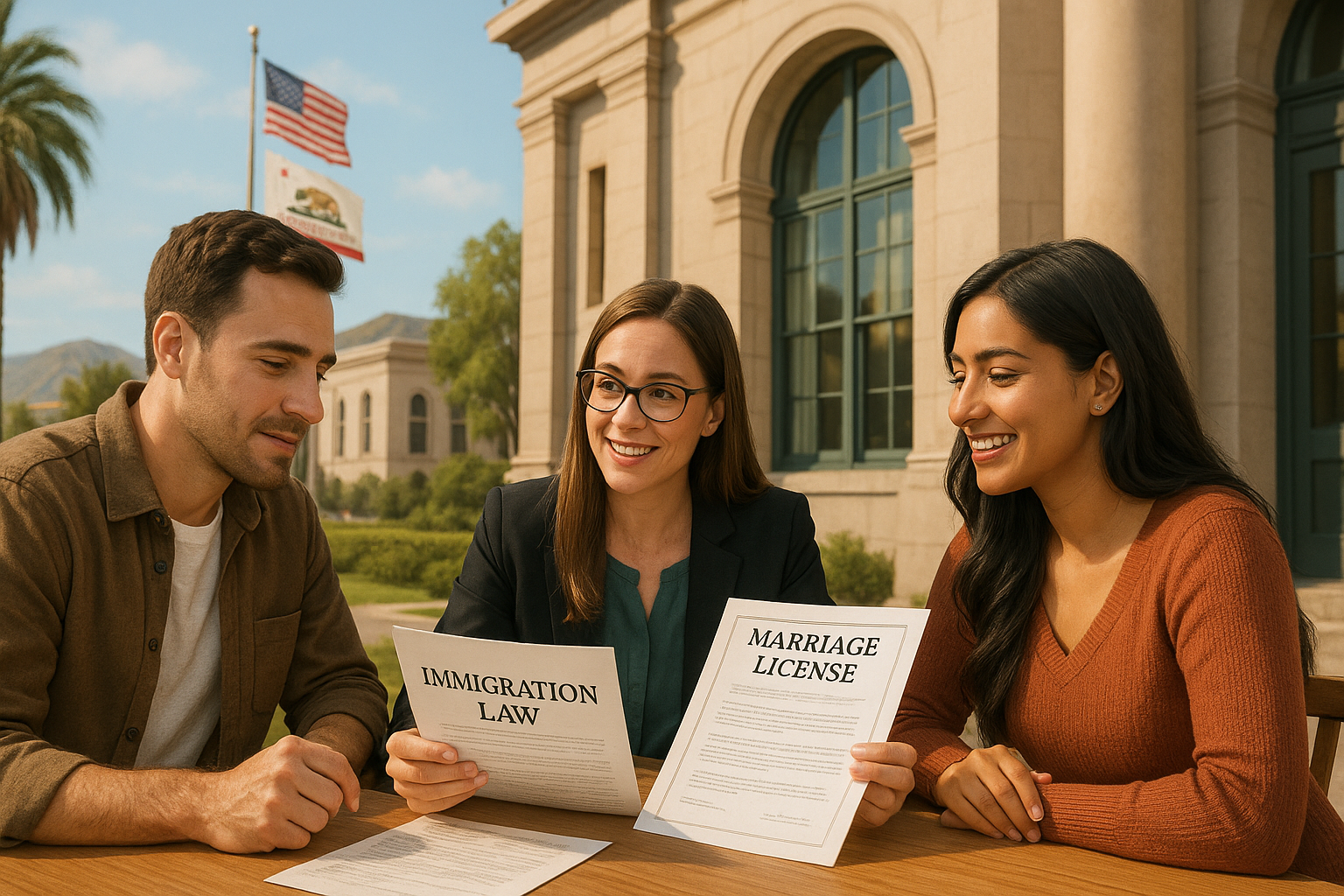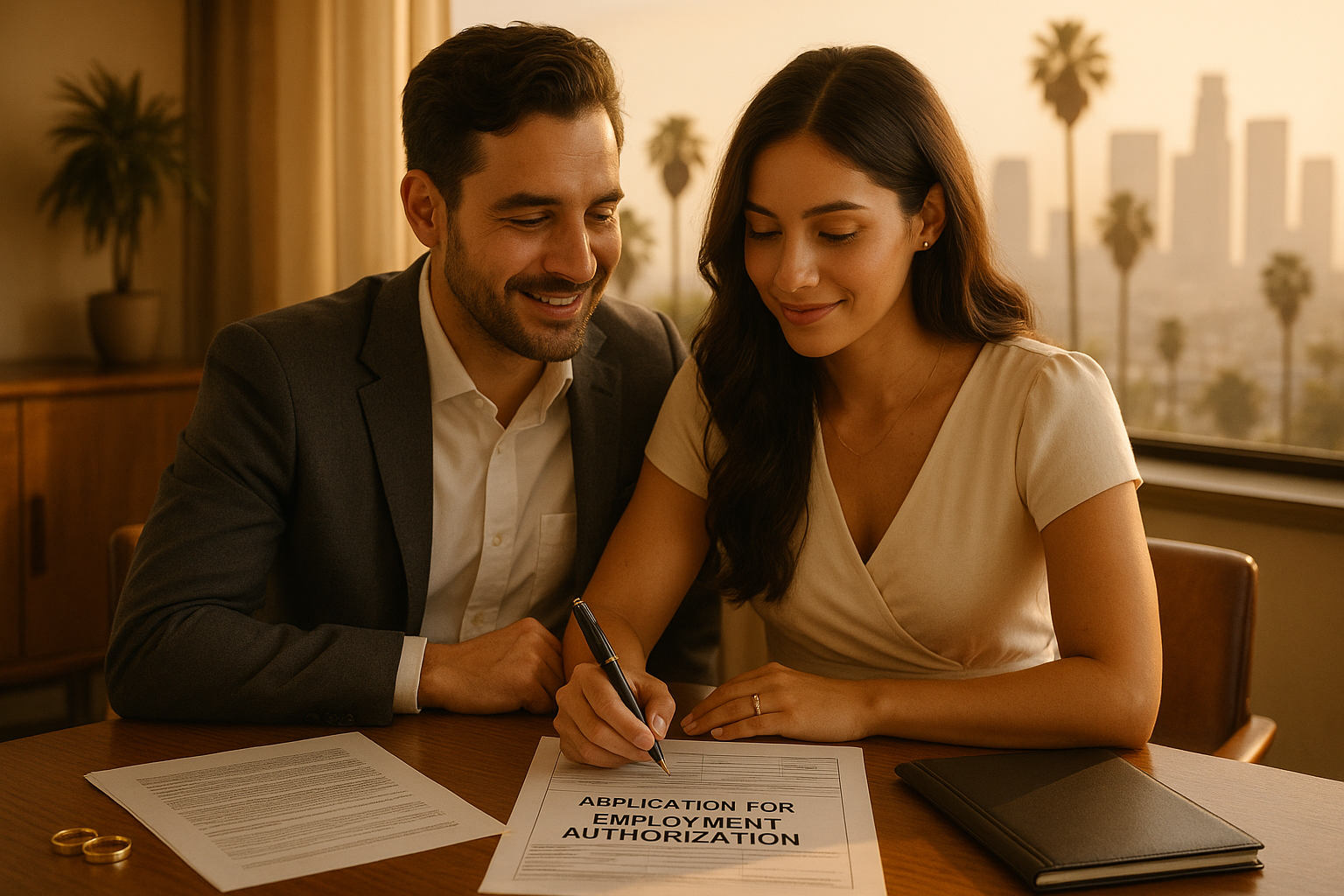
Hey there! If you’re considering marriage in California to adjust your legal status, it’s essential to understand the process and requirements involved. Let’s walk through the key steps and considerations to ensure everything goes smoothly.
Understanding the Marriage License Process in California
First things first: to get married in California, you’ll need a marriage license. Here’s what you need to know:
- Eligibility: Both parties must be at least 18 years old. If you’re under 18, you’ll need written consent from at least one parent or legal guardian and permission from a California Superior Court judge. Learn more about marriage license requirements.
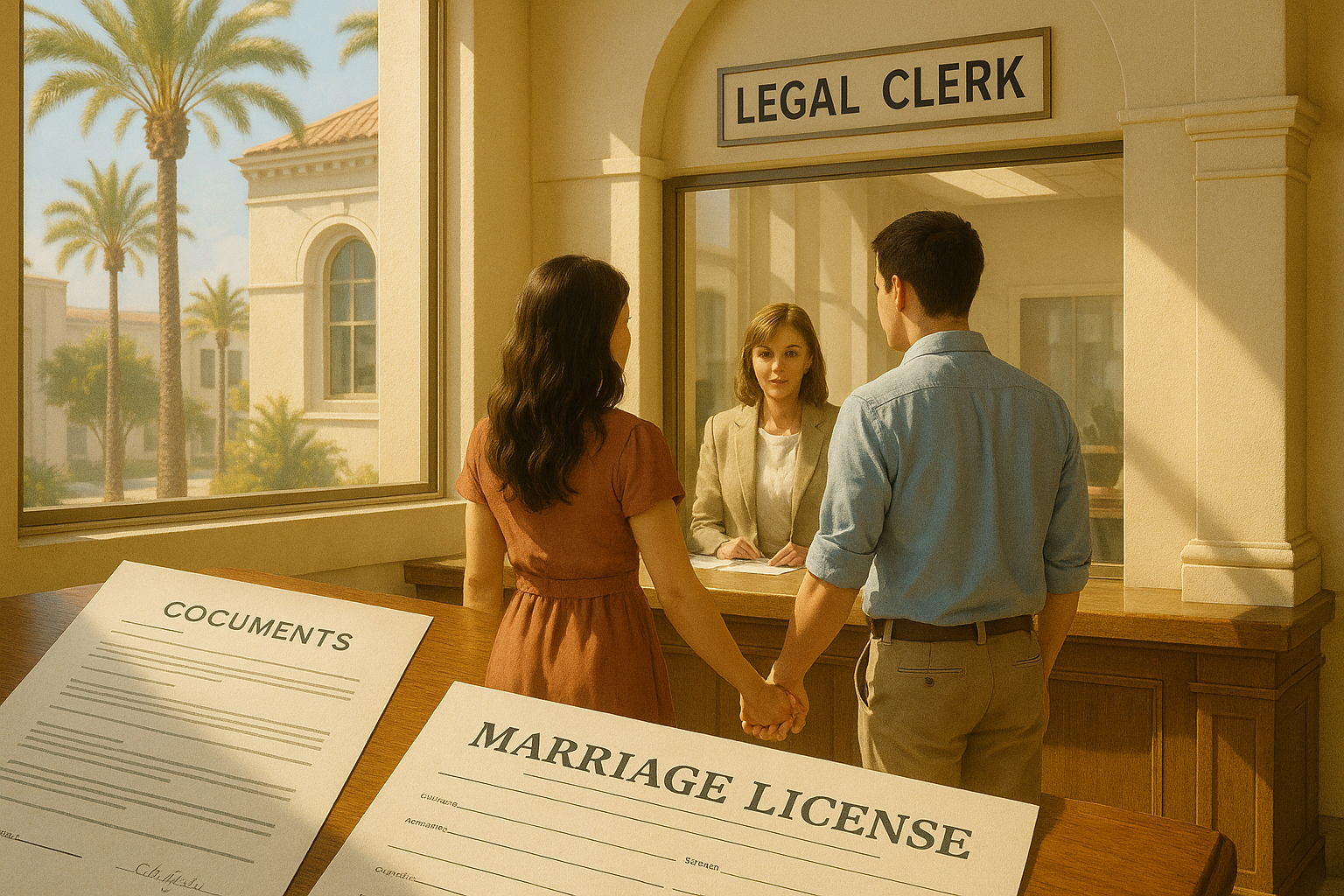
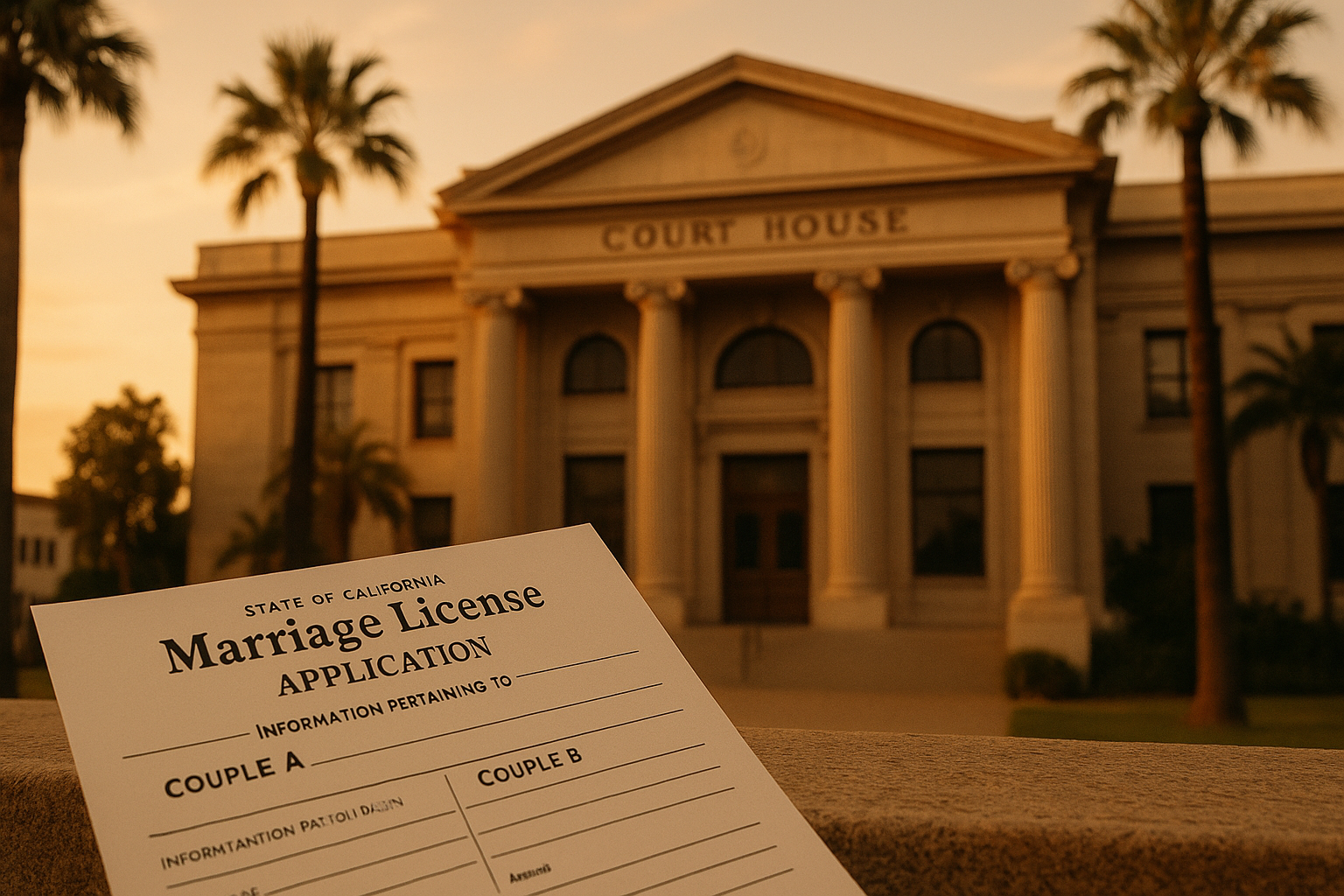
- Application: Both parties must appear together at the County Clerk’s office to apply. Bring valid photo identification and be prepared to pay the license fee, which varies by county.
- Validity: The marriage license is valid for 90 days. Ensure your ceremony takes place within this period; otherwise, you’ll need to obtain a new license.
Types of Marriage Licenses Available
California offers two types of marriage licenses:
- Public Marriage License: This is the standard license, and the marriage becomes a matter of public record.
- Confidential Marriage License: Available to couples who have been living together as spouses. This license is not part of the public record, offering more privacy. More details on marriage licenses.
Common Misconceptions: Common Law Marriage in California
It’s important to note that California does not recognize common law marriages. Simply living together, regardless of the duration, does not grant you the legal status of a married couple. To be legally married in California, you must follow the formal process of obtaining a marriage license and having a ceremony. Understanding common law marriage in California.
Marriage and Immigration: What You Need to Know
Marrying a U.S. citizen or lawful permanent resident can be a pathway to adjusting your immigration status. However, it’s crucial to ensure that your marriage is genuine and not solely for immigration benefits. Engaging in fraudulent marriages can lead to severe legal consequences, including deportation and criminal charges. Case of marriage fraud in California.
Steps to Adjust Your Immigration Status Through Marriage
After your legal marriage in California, the process to adjust your status typically involves:
- Filing Form I-130: Petition for Alien Relative, to establish the relationship between you and your spouse.
- Filing Form I-485: Application to Register Permanent Residence or Adjust Status, to apply for a Green Card.
- Attending an Interview: Both spouses will be interviewed by U.S. Citizenship and Immigration Services (USCIS) to verify the authenticity of the marriage.
It’s advisable to consult with an immigration attorney to navigate this process effectively.
Protecting Your Rights: Domestic Partnerships
California also offers domestic partnerships, which grant many of the same rights and responsibilities as marriage. This option is available to both same-sex and opposite-sex couples. Registering as domestic partners can provide legal protections, especially for couples who prefer not to marry. Domestic partnership in California.
Frequently Asked Questions
Q: Can I get married in California if I’m not a resident?
A: Yes, California does not have a residency requirement for marriage. You can obtain a marriage license and have your ceremony in the state regardless of where you live.
Q: How long does it take to get a marriage license in California?
A: The process is typically quick. You can often receive your marriage license the same day you apply, provided you have all the necessary documents and fees.
Q: Is a blood test required to get married in California?
A: No, California does not require blood tests for marriage licenses.
Q: Can I change my name after marriage in California?
A: Yes, you can change your name after marriage. The marriage certificate serves as proof of your new name, which you can use to update your identification documents.
Q: What happens if we don’t return the marriage license after the ceremony?
A: The officiant is responsible for returning the completed marriage license to the County Clerk’s office within 10 days of the ceremony. Failure to do so can result in the marriage not being officially recorded.
Embarking on marriage to adjust your legal status is a significant step. Ensuring you follow all legal requirements will help pave the way for a smooth process. If you have further questions or need assistance, feel free to contact us at Married Today CA. We’re here to help you every step of the way!