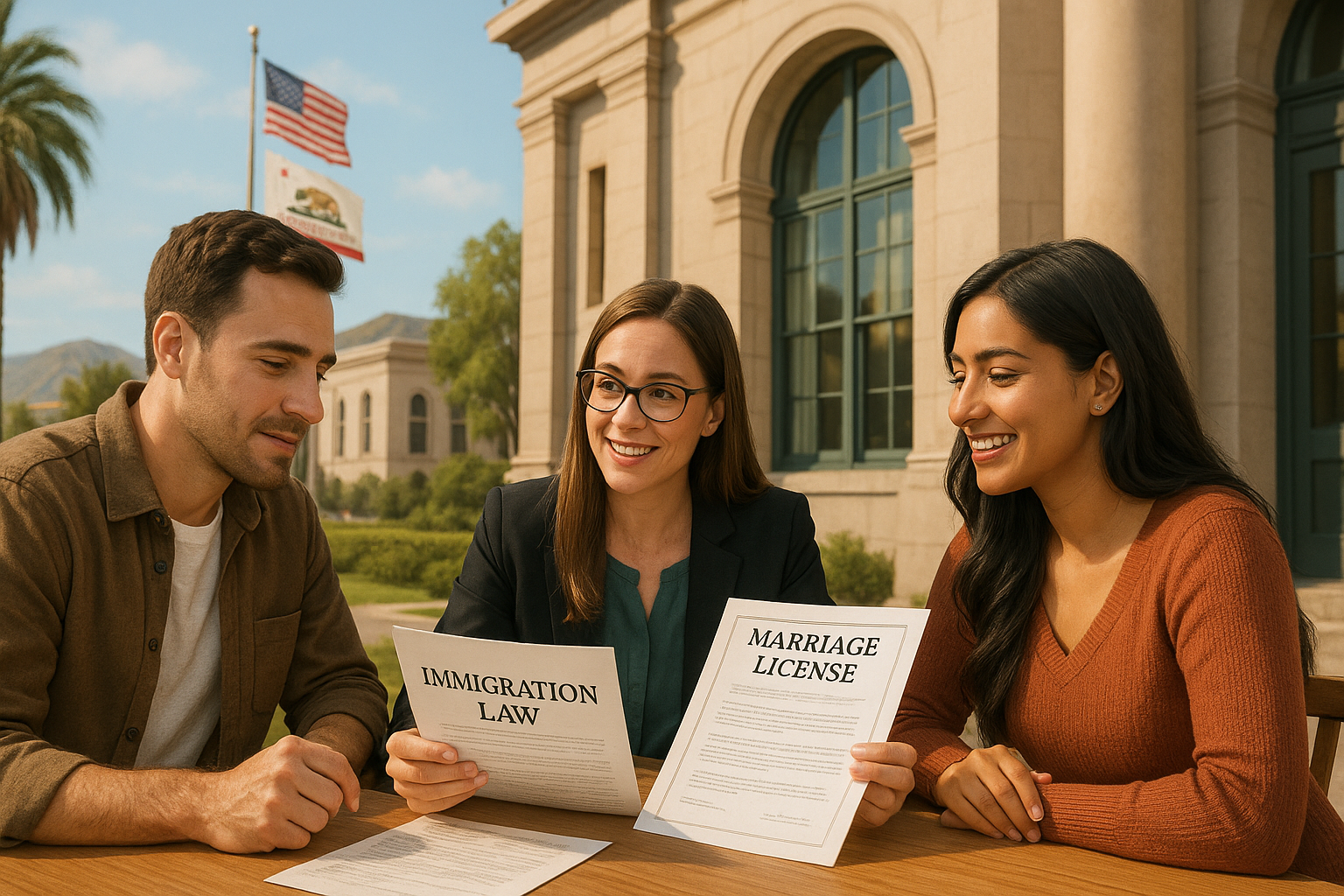
Embarking on a new chapter after divorce can be both exciting and complex. If you’re looking to remarry in California, understanding the legal timeline and requirements is crucial to ensure a smooth transition.
Understanding California’s Divorce Finalization Period
In California, a divorce isn’t finalized immediately upon filing. The state mandates a six-month waiting period from the date the divorce petition is served to the respondent. This period allows both parties time for reflection and ensures all legal matters are adequately addressed. It’s important to note that this waiting period is a minimum; the actual time to finalize a divorce can be longer depending on the complexity of the case and court schedules. Learn more about the mandatory waiting period in divorce.
When Can You Legally Remarry?
Once the six-month waiting period has elapsed and the court has issued a final judgment of dissolution, you’re legally free to remarry. There is no additional waiting period after the divorce is finalized. However, attempting to remarry before the final judgment is issued can lead to legal complications, as the state still considers you legally married until the dissolution is complete. Find out more about remarriage timelines in California.
Expediting the Divorce Process: Bifurcation
If you’re eager to remarry but your divorce proceedings are dragging on due to unresolved issues like property division or child custody, you might consider requesting a bifurcation. Bifurcation allows the court to separate the marital status from other divorce-related issues, enabling you to be legally single while other matters are still being settled. This can be particularly beneficial if you’re planning to remarry soon. Learn how to request a separate trial to end your marriage sooner.
Obtaining a Marriage License in California
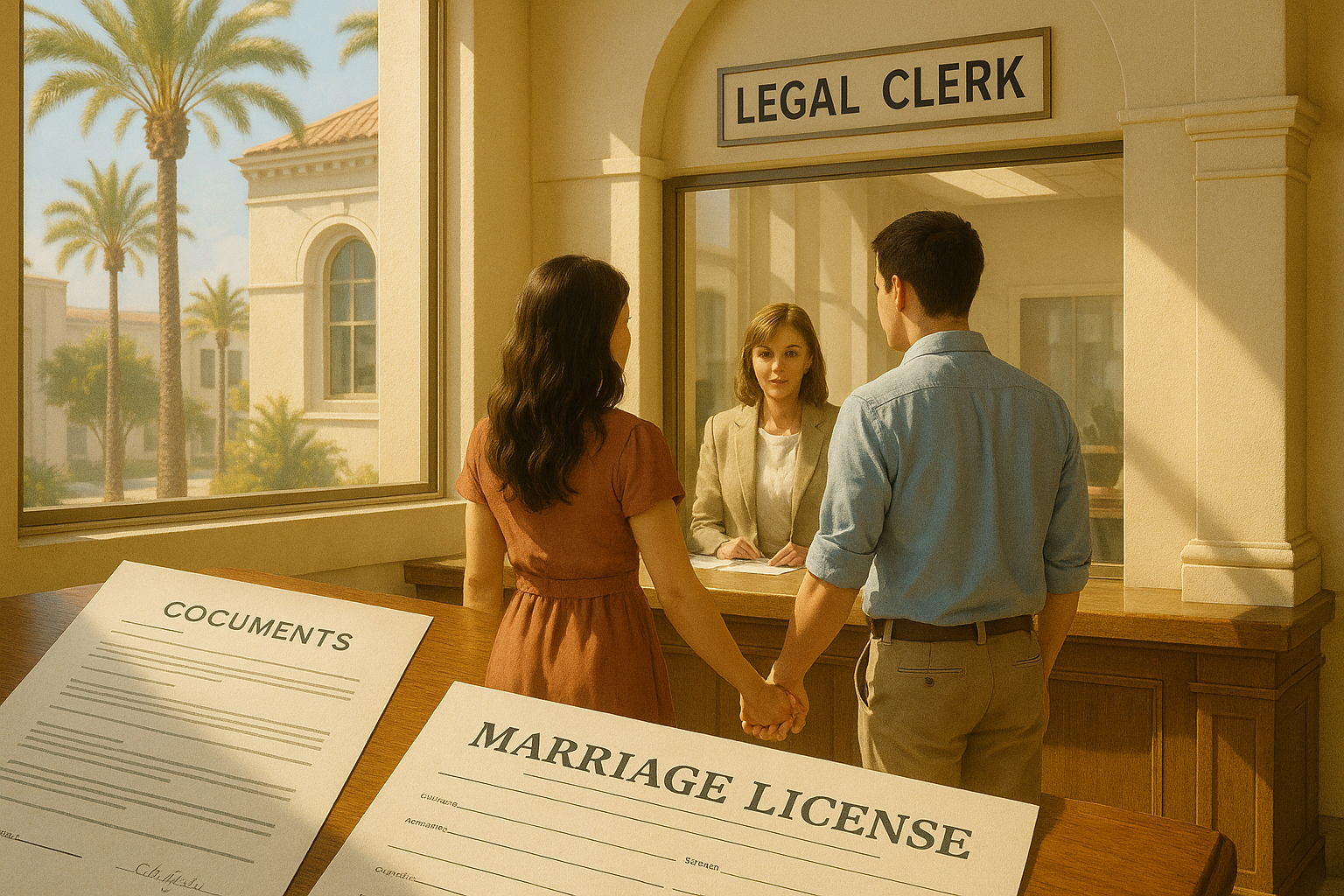
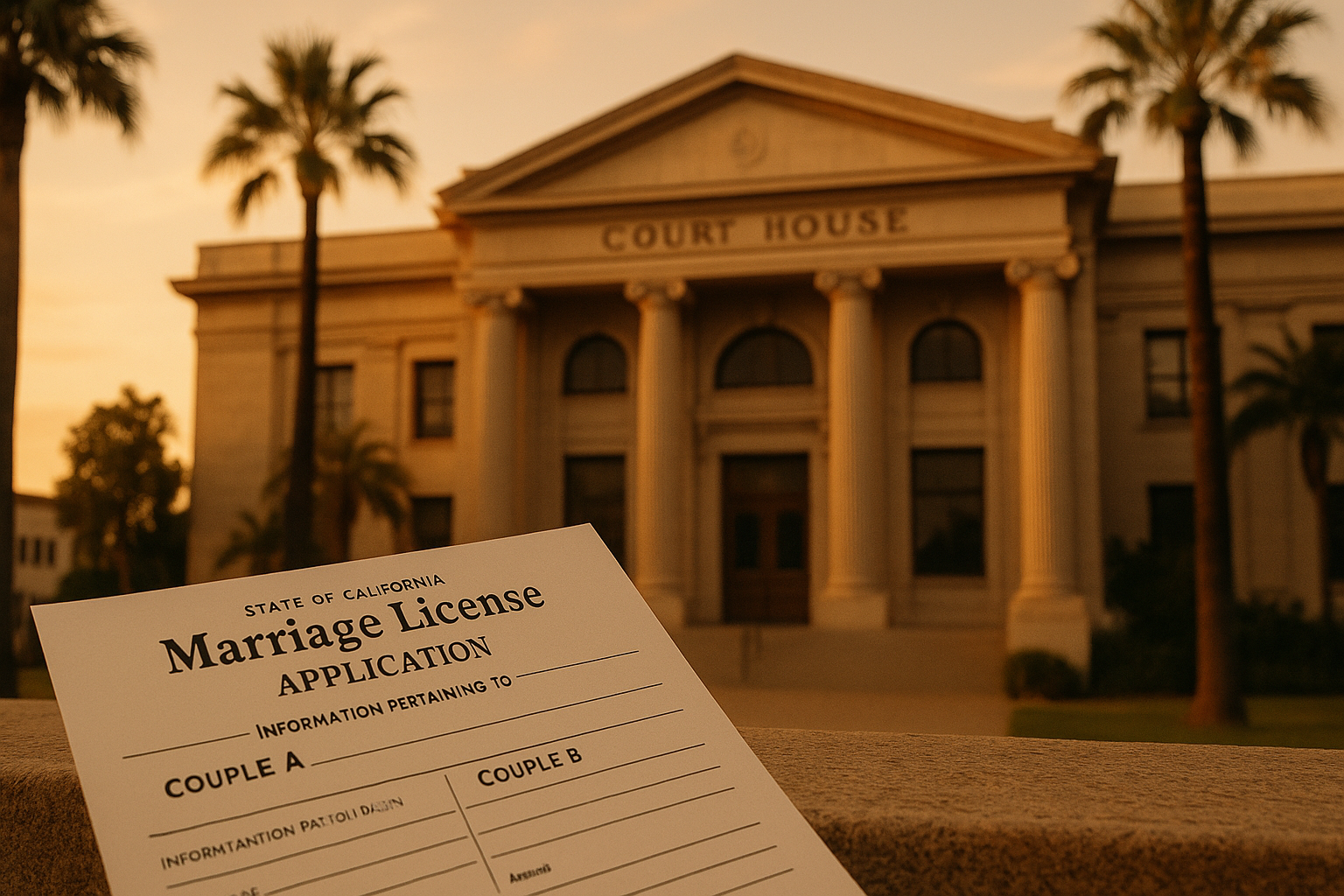
Once your divorce is finalized, obtaining a marriage license is the next step toward remarriage. California requires both parties to appear in person at the County Clerk’s office to apply for a marriage license. You’ll need to provide valid identification and, in some counties, a copy of your final divorce decree. It’s advisable to check with your local County Clerk’s office for specific requirements, as they can vary by county. Read more about remarriage laws in California.
Planning a Same-Day Marriage Ceremony
California offers the convenience of same-day marriage ceremonies, allowing couples to obtain a marriage license and have a civil ceremony on the same day. This is particularly advantageous for those looking to remarry promptly after their divorce is finalized. To facilitate this, ensure you have all necessary documents, including your final divorce decree, and confirm that the County Clerk’s office you plan to visit offers same-day ceremonies. Discover more about same-day marriage options.
Impact of Remarriage on Legal Obligations
Remarrying can have significant implications on existing legal obligations from your previous marriage. For instance, in California, spousal support (alimony) obligations typically terminate upon the supported spouse’s remarriage. It’s essential to review your divorce decree and consult with a legal professional to understand how remarriage may affect your financial responsibilities and rights. Explore the effects of remarriage on spousal support.
Updating Legal Documents Post-Remarriage
After remarrying, it’s crucial to update your legal documents to reflect your new marital status. This includes revising your will, updating beneficiary designations on life insurance policies and retirement accounts, and ensuring your new spouse is included in your estate planning. Taking these steps helps protect your assets and ensures your wishes are honored. Learn more about updating legal documents after remarriage.
Frequently Asked Questions
Q: Can I remarry immediately after my divorce is finalized in California?
A: Yes, once your divorce is finalized and the six-month waiting period has passed, you can remarry immediately without any additional waiting period.
Q: What is bifurcation, and how can it help me remarry sooner?
A: Bifurcation is a legal process that allows the court to separate the termination of marital status from other divorce issues, enabling you to be legally single and remarry while other matters are still being resolved.
Q: Do I need to provide my divorce decree when applying for a new marriage license?
A: Some California counties require a copy of your final divorce decree when applying for a marriage license. It’s best to check with the local County Clerk’s office for specific requirements.
Q: How does remarriage affect spousal support obligations?
A: In California, the obligation to pay spousal support typically ends when the supported spouse remarries. However, it’s important to review your divorce decree and consult with a legal professional for specific guidance.
Q: Can I have a same-day marriage ceremony in California?
A: Yes, many County Clerk’s offices in California offer same-day marriage ceremonies, allowing you to obtain a marriage license and have a civil ceremony on the same day.
Embarking on remarriage after a divorce involves navigating various legal steps and considerations. At Married Today CA, we’re here to assist you in making this transition as seamless as possible. For personalized guidance and support, feel free to contact us.